
Buying a boat lift is one of those purchases where the first question is usually simple: “How much is this going to cost?”
The honest answer is that boat lift pricing in 2026 can vary quite a bit. A small personal watercraft lift will not cost the same as a lift for a tritoon, wake boat, cruiser, or custom dock setup. The boat’s weight, hull style, dock structure, water conditions, electrical needs, installation work, and accessories all play a role in the final number.
That can make pricing feel confusing at first, but it is actually a good thing to slow down and look at the full picture. A boat lift is not just another dock accessory. It protects your boat, helps reduce maintenance, makes your dock more convenient, and can help preserve the value of your watercraft over time.
At Poly Lift Boat Lifts, we have been specializing in boat lifts since 1975, so we have seen just about every kind of boat, dock, slip, and waterfront challenge. This guide breaks down what boat lifts typically cost in 2026, what affects the price, and how to think about value instead of only looking for the lowest upfront number.
Quick Answer: What Is the Average Boat Lift Cost in 2026?
In 2026, many boat lift projects can range from a few thousand dollars for smaller or simpler setups to tens of thousands of dollars for larger, heavier, or more complex installations.
As a broad market estimate:
- PWC lifts and smaller lift systems are usually on the lower end.
- Standard boat lifts for recreational boats often fall somewhere in the middle.
- Larger lifts, high-capacity lifts, hydraulic systems, custom dock setups, and heavy-duty applications can cost significantly more.
- Installation, delivery, electrical work, dock modifications, and accessories can add to the final total.
Because every dock and boat combination is different, the most accurate way to price a lift is to get a quote based on your boat, slip, dock layout, and long-term plans. You can start that process through our request a quote page.
Why Boat Lift Costs Vary So Much
Boat lifts are not one-size-fits-all products. Two boat owners may both need a “boat lift,” but one might have a lightweight runabout on a protected cove while another has a heavy wake boat in a rougher slip with limited dock access. Those two projects can look completely different.
Here are the biggest factors that affect boat lift cost in 2026.
Boat Weight and Lift Capacity
The weight of the boat is one of the most important pricing factors. A lift must be rated for the boat’s fully loaded weight, not just the dry weight listed by the manufacturer.
Dry weight can be misleading because it often does not include fuel, gear, batteries, water, aftermarket accessories, coolers, anchors, personal items, or future upgrades. Wake boats, tritoons, and larger recreational boats can be especially easy to underestimate because they often carry more equipment and weight than owners realize.
A properly sized lift gives you room for safe operation. An undersized lift may seem like a way to save money upfront, but it can lead to stress on the equipment, performance issues, safety concerns, and more expensive problems later.
Boat Type and Hull Shape
The type of boat also matters. A v-bottom boat, pontoon, tritoon, catamaran, step-hull boat, and wake boat all need to be supported differently.
For example, a pontoon lift needs to support the tubes correctly. A tritoon has three tubes and often more weight. A wake boat may have ballast systems, towers, larger engines, and a hull that needs careful support. A catamaran or step hull may need a more specialized setup.
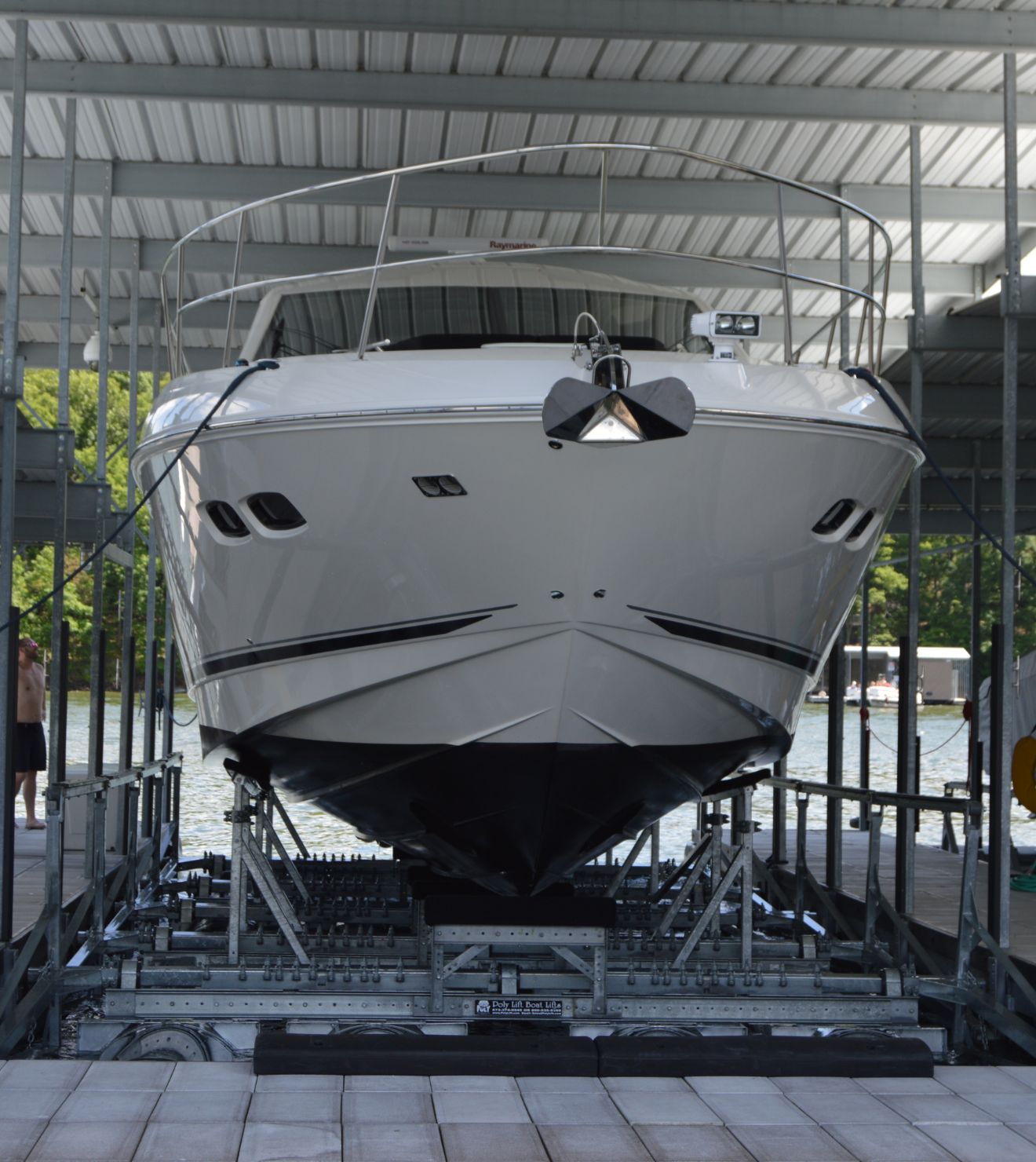
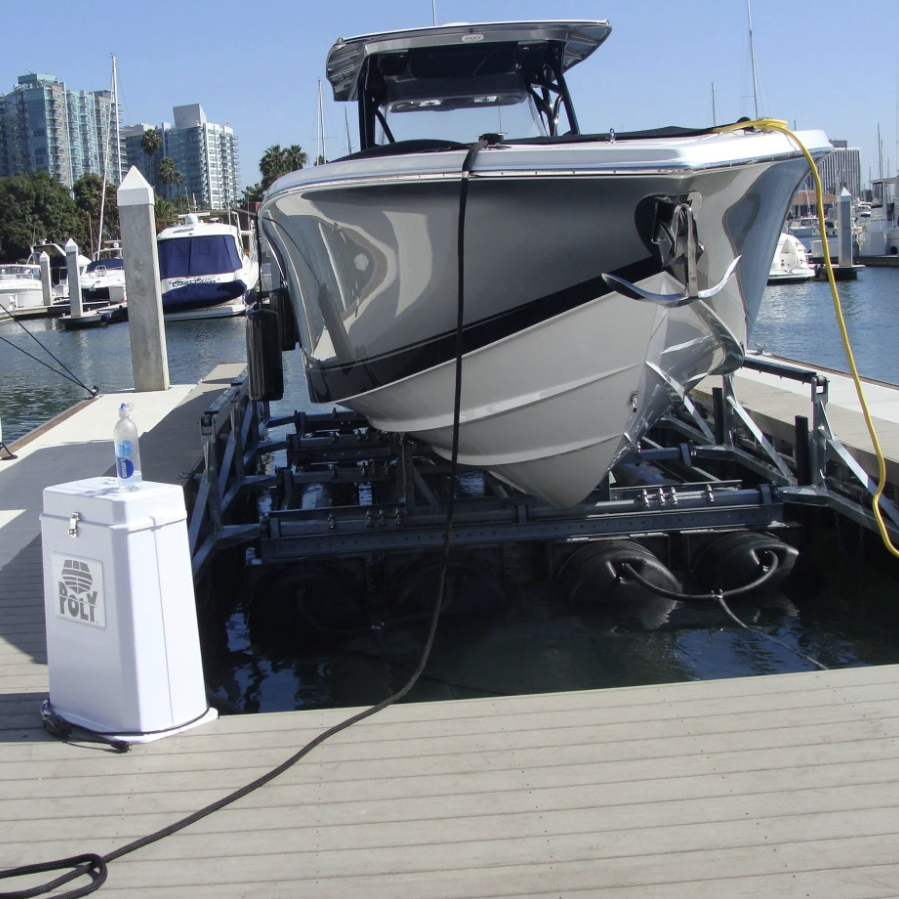
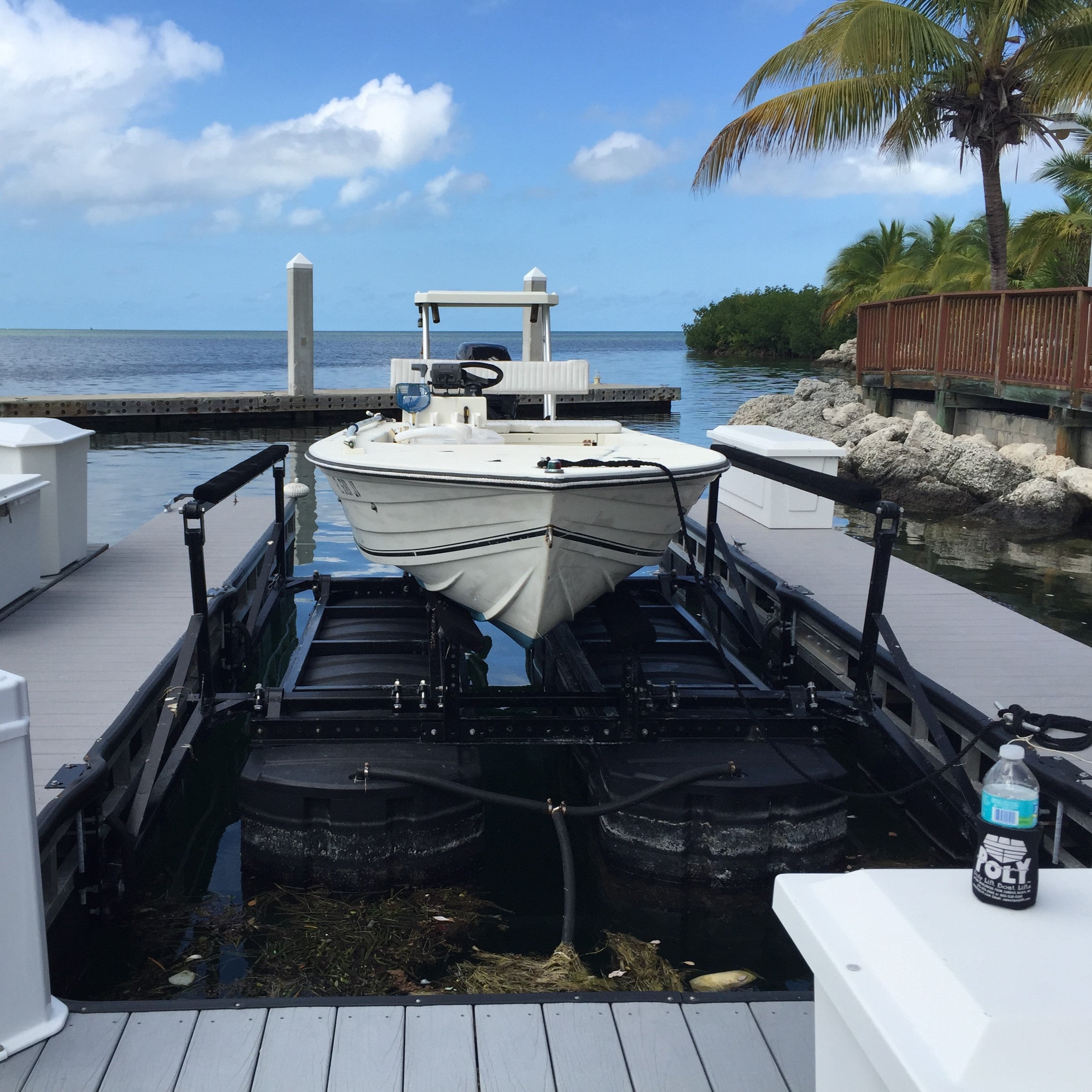
This is one of the reasons Poly Lift Boat Lifts focuses so heavily on customization. Our Poly Lift® boat lifts can be customized to fit v-hull, step-hull, pontoon, tritoon, and catamaran hull types. That fit matters because the lift is not only raising the boat. It is supporting and protecting it every time it comes out of the water.
Dock Type and Slip Conditions
Your dock and slip can also affect the price.
Some docks are straightforward. Others may need extra planning because of water depth, slip width, roof clearance, dock structure, wave action, wind exposure, or access limitations. The more complicated the dock environment is, the more important it becomes to choose the right lift design.
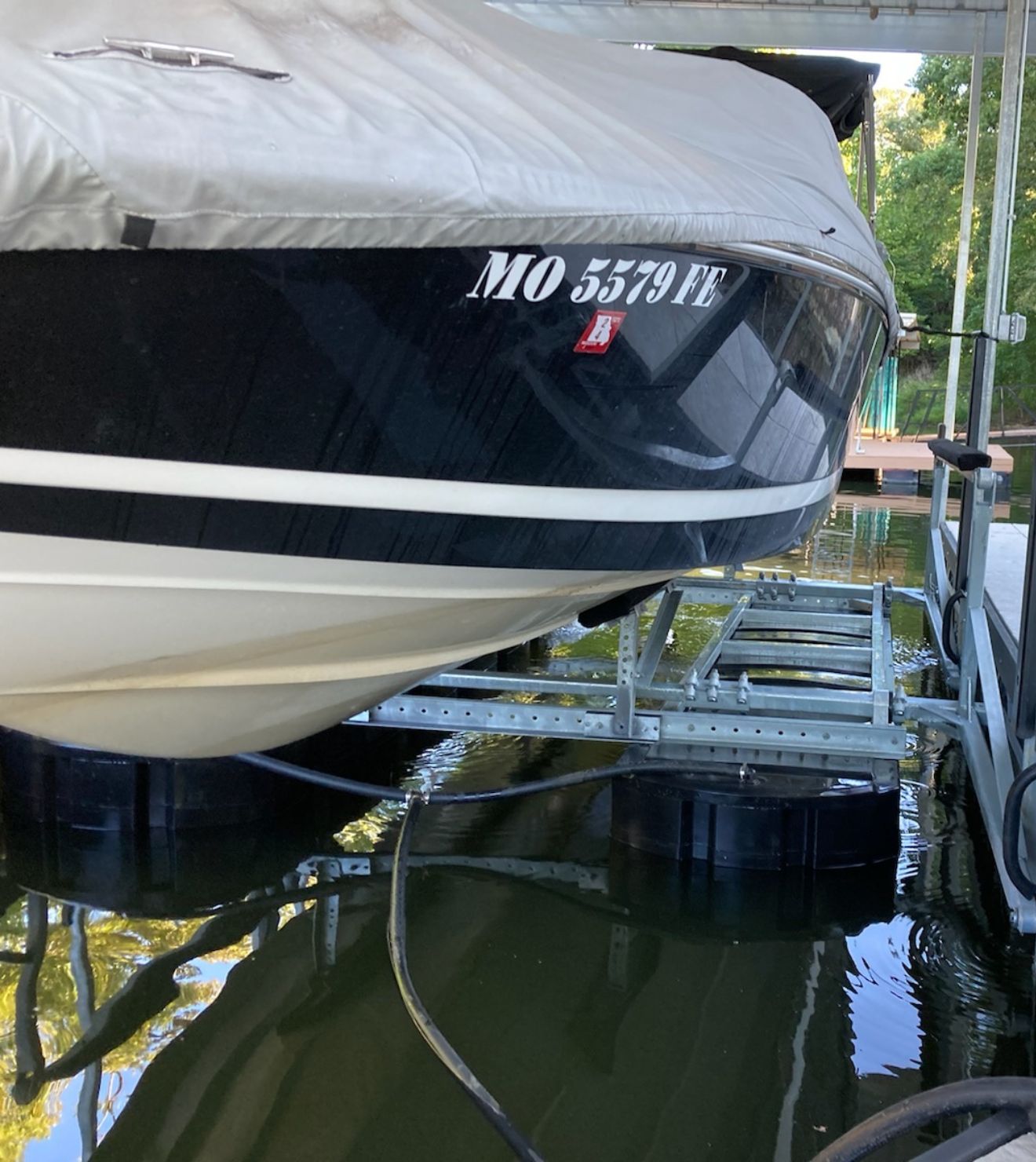
A boat sitting in a protected slip may have different needs than a boat exposed to constant movement, rougher water, or larger wakes. Roto Lift® boat lifts, for example, are designed to raise your boat above the elements and protect it from wind and wave action. For many boat owners, that added protection is part of what makes the investment worthwhile.
Installation Complexity
Installation is another major cost factor.
A quote may include the lift itself, but the total project can also involve delivery, positioning, dock preparation, mounting, adjustments, electrical setup, testing, and any needed modifications. If the dock needs reinforcement or the installation area is difficult to access, that can affect the cost as well.
This is where a cheap lift can become less cheap very quickly. If the lift does not fit well, requires extra adjustments, or is not right for the dock, the owner may end up spending more time and money correcting the problem.
A well-planned installation helps the lift work properly from the beginning.
Materials and Build Quality
Build quality plays a major role in long-term value.
A boat lift lives in a tough environment. It has to handle water, weather, weight, movement, and repeated use. The quality of the frame, tanks, hardware, design, and components all matters.
Poly Lift® boat lifts are built around top-notch construction, patented designs, and virtually indestructible polyethylene tanks. Our tanks feature a lifetime warranty, which is an important detail for boat owners comparing cost. A lift that lasts, protects the boat well, and reduces maintenance headaches can be a better value than a cheaper lift that needs more attention over time.
Typical Boat Lift Cost Ranges by Type
The following categories give a general idea of how different lift types affect pricing. These are not exact Poly Lift prices because every boat, dock, and installation is different. They are meant to help you understand why one lift may cost more than another.
PWC Lift Costs
Personal watercraft lifts are usually among the more affordable lift options. They are smaller, lighter-duty, and often simpler than full-size boat lifts.
That said, convenience still matters. A good PWC lift should make launching and storing your watercraft easier. It should also help protect the craft from sitting in the water, rubbing against the dock, or being exposed to unnecessary wear.
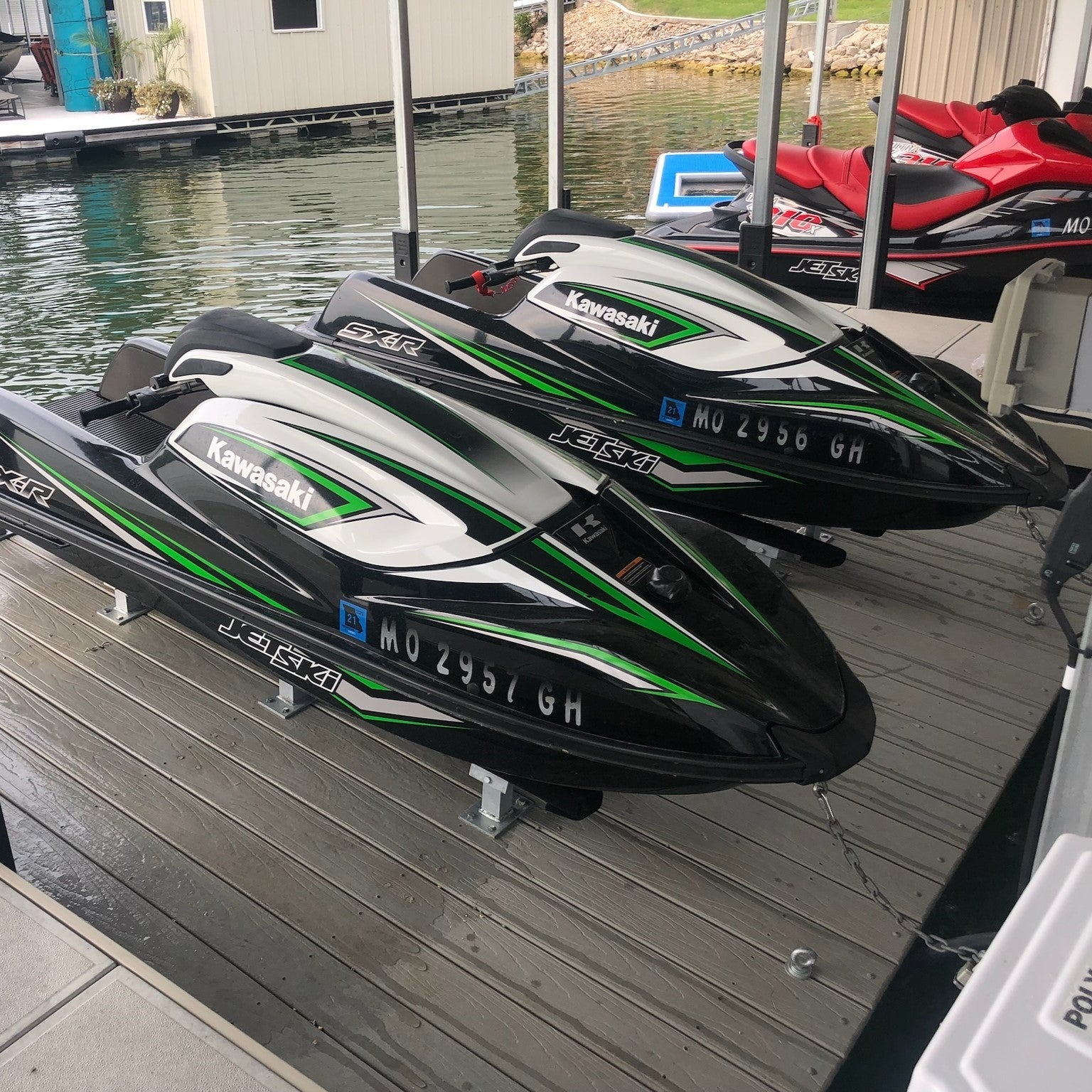
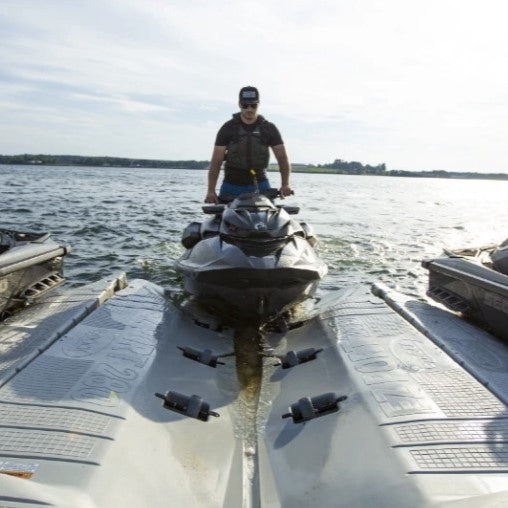
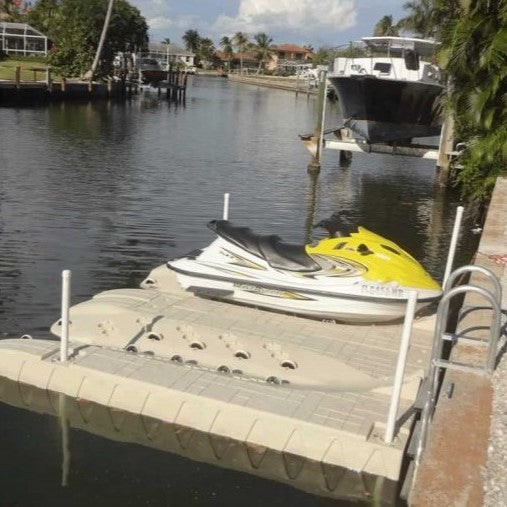
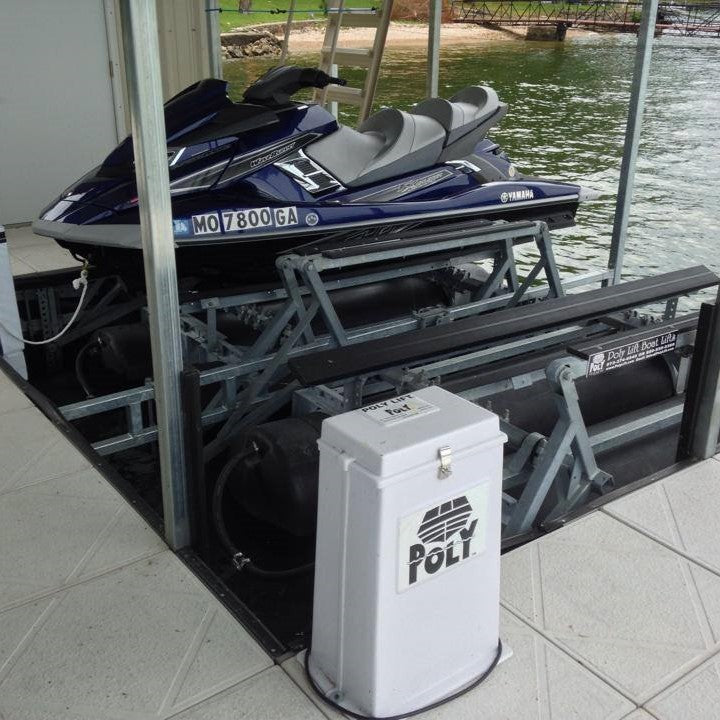
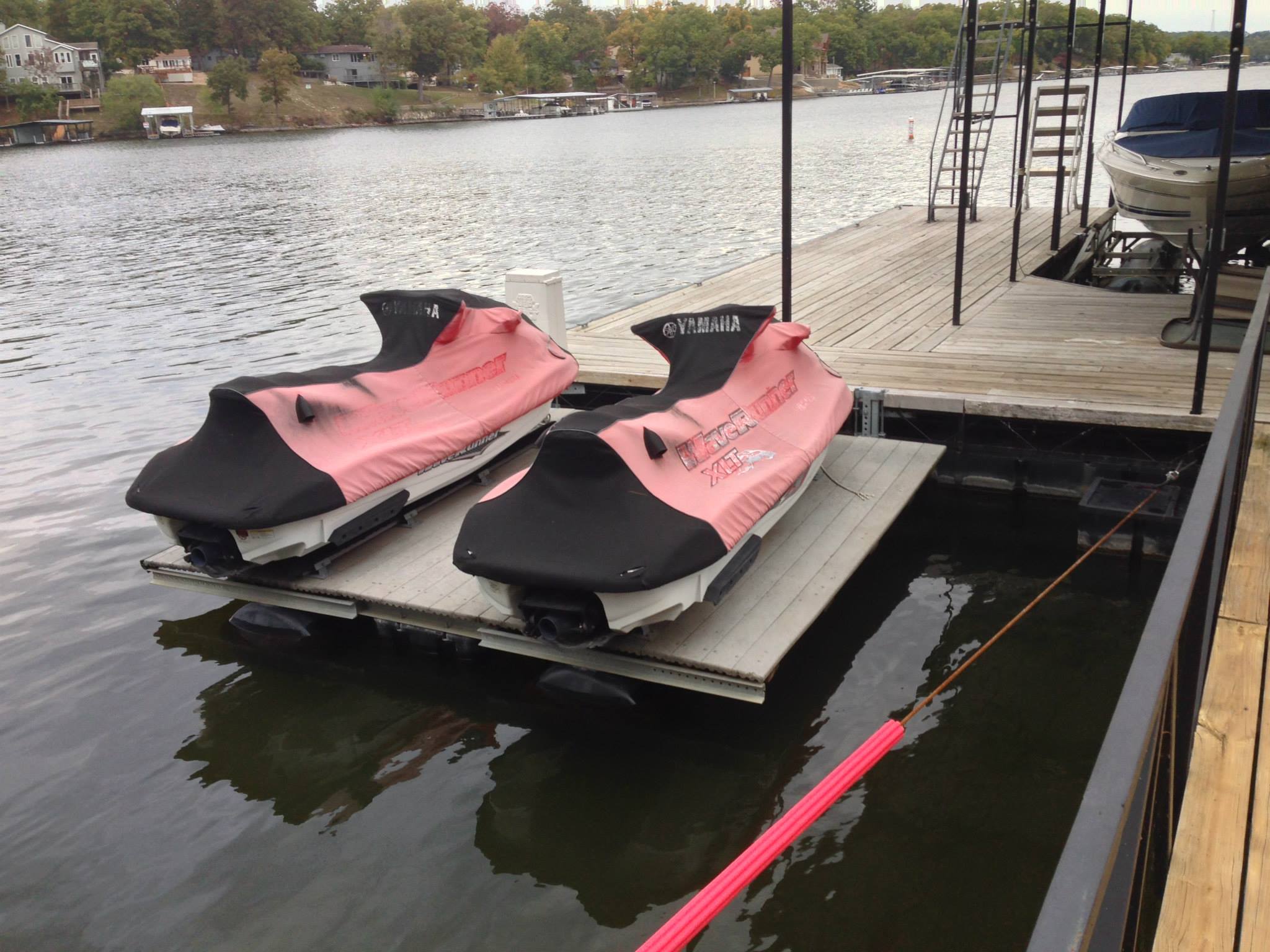
Poly Lift Boat Lifts offers PWC lifts and drive-on PWC lifts. For boat owners with jet skis or other personal watercraft, this can be a practical way to protect smaller watercraft without needing a full-size boat lift setup.
Small Boat Lift Costs
Smaller fishing boats, runabouts, and lighter recreational boats usually cost less to lift than heavier boats. The lift capacity is lower, the support structure may be simpler, and the overall installation may be more straightforward.
Still, the same rule applies: the lift should match the boat, the dock, and the conditions. A smaller boat lift should not be chosen only because it is inexpensive. It should be chosen because it is the right fit for the watercraft.
Pontoon Boat Lift Costs
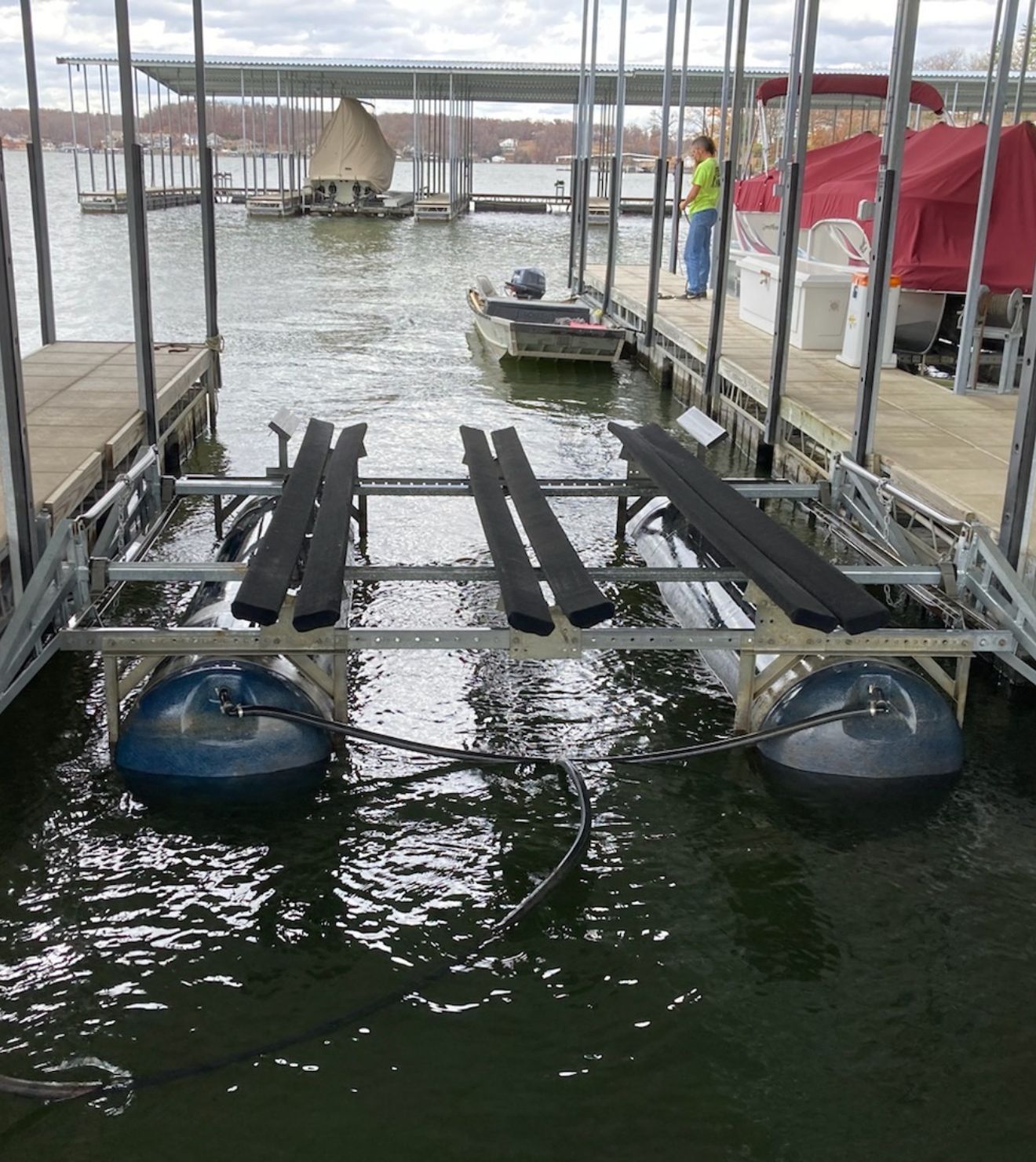
Pontoon boats require proper support for the tubes. A lift that is not configured correctly can create uneven support or make loading and unloading more difficult than it needs to be.
Pontoon boat lift pricing depends on the size of the pontoon, the number of passengers and gear it typically carries, the engine size, and the dock setup. A smaller pontoon in calm water may need a different setup than a larger pontoon used heavily throughout the season.
Tritoon Boat Lift Costs
Tritoons often need more lift capacity than standard pontoons. They have three tubes, often larger engines, and can be much heavier than owners expect.
Because tritoons are popular for comfort, performance, and family boating, many are loaded with seating, sound systems, fuel, gear, and accessories. That extra weight should be part of the lift calculation.
A tritoon lift may cost more than a standard pontoon lift, but choosing the right support is worth it. A properly matched lift makes storage easier and helps protect the boat over time.
Wake Boat and Surf Boat Lift Costs
Wake boats and surf boats can be some of the more demanding recreational boats to lift.
They are often heavier than they look, especially when you consider ballast systems, towers, racks, larger engines, batteries, and onboard gear. The hull shape also needs proper support.
Because of the weight and value of these boats, it rarely makes sense to cut corners on the lift. A well-built, properly sized lift can help protect the hull, driveline, and overall condition of the boat.
Large Boat and Custom Lift Costs
Large boats, unusual hulls, difficult slips, and unique dock setups can push pricing higher. Custom work may be needed when the boat does not fit a standard solution or when the dock has unusual constraints.
Poly Lift Boat Lifts offers custom boat lift solutions for situations where a standard lift is not the best answer. If your boat, dock, or slip requires something more specific, our team can help determine what type of lift setup makes sense.
You can start with a custom quote request so we can look at the details of your situation.
Standard Lift vs. Custom Lift: Which Costs More?
A standard lift will usually be more straightforward than a custom lift, but the best choice depends on the boat and dock.
When a Standard Lift Makes Sense
A standard lift may be a good fit when the boat size, weight, hull shape, and dock setup are relatively common. Poly Lift Boat Lifts offers standard lift options for many boat owners who need dependable protection without a highly specialized design.
Standard lifts can be a strong choice when the application is clear and the lift can be properly matched to the boat.
When a Custom Lift Is Worth It
A custom lift may cost more upfront, but it can be the better long-term answer when the situation calls for it.
Custom may be worth considering when:
- The boat has an unusual hull shape.
- The slip is tight or difficult to access.
- The dock has special structural needs.
- The water level fluctuates.
- The boat is heavier than typical models in its class.
- The owner wants easier access, safer walkways, or a more complete dock system.
At Poly Lift Boat Lifts, we can create custom solutions for unique needs. A custom lift is not about making the project more complicated. It is about making the lift fit the boat, the dock, and the way the owner actually uses the water.
Boat Lift Cost Breakdown: What Are You Really Paying For?
When comparing boat lift prices, it helps to understand what is included in the total project.
The Lift Itself
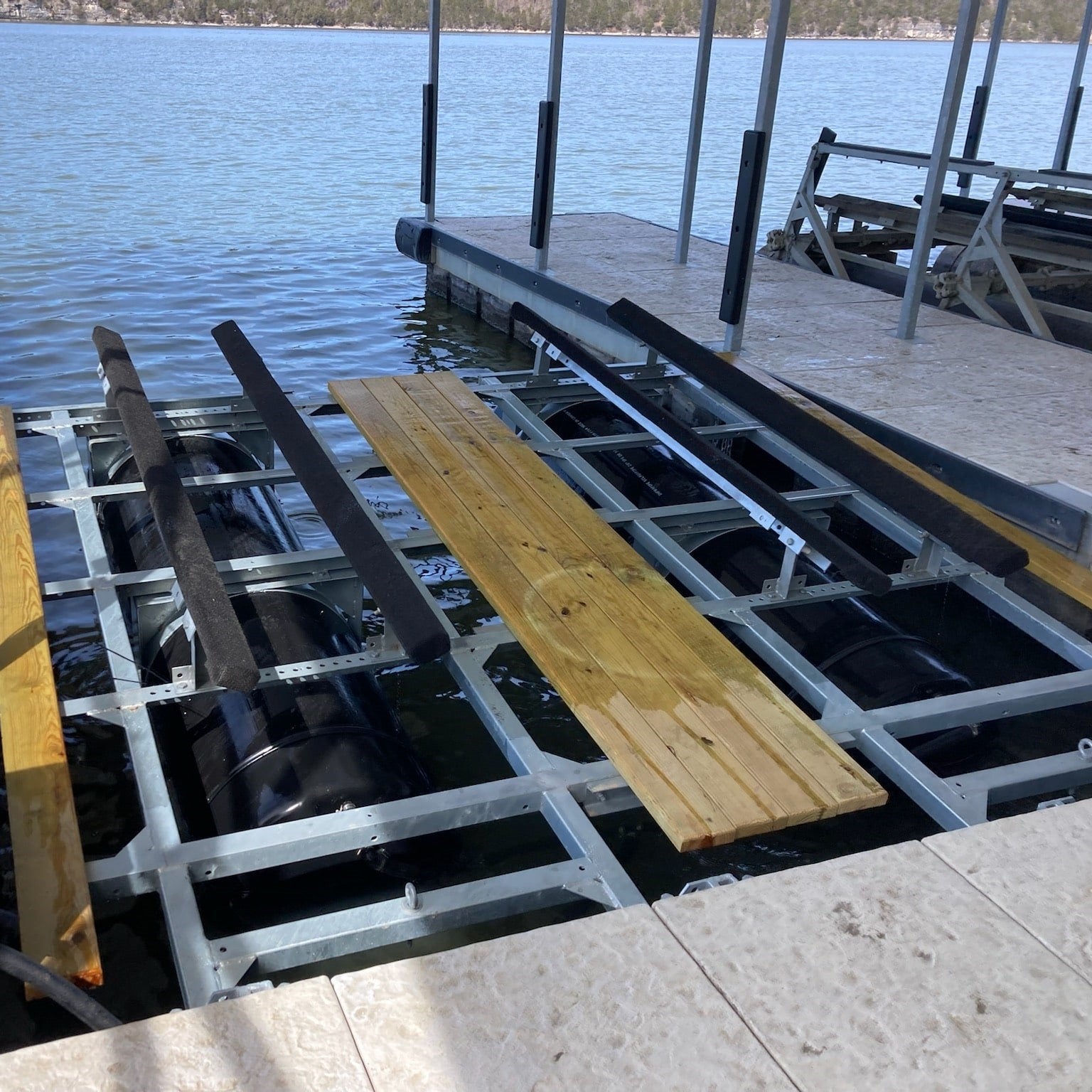
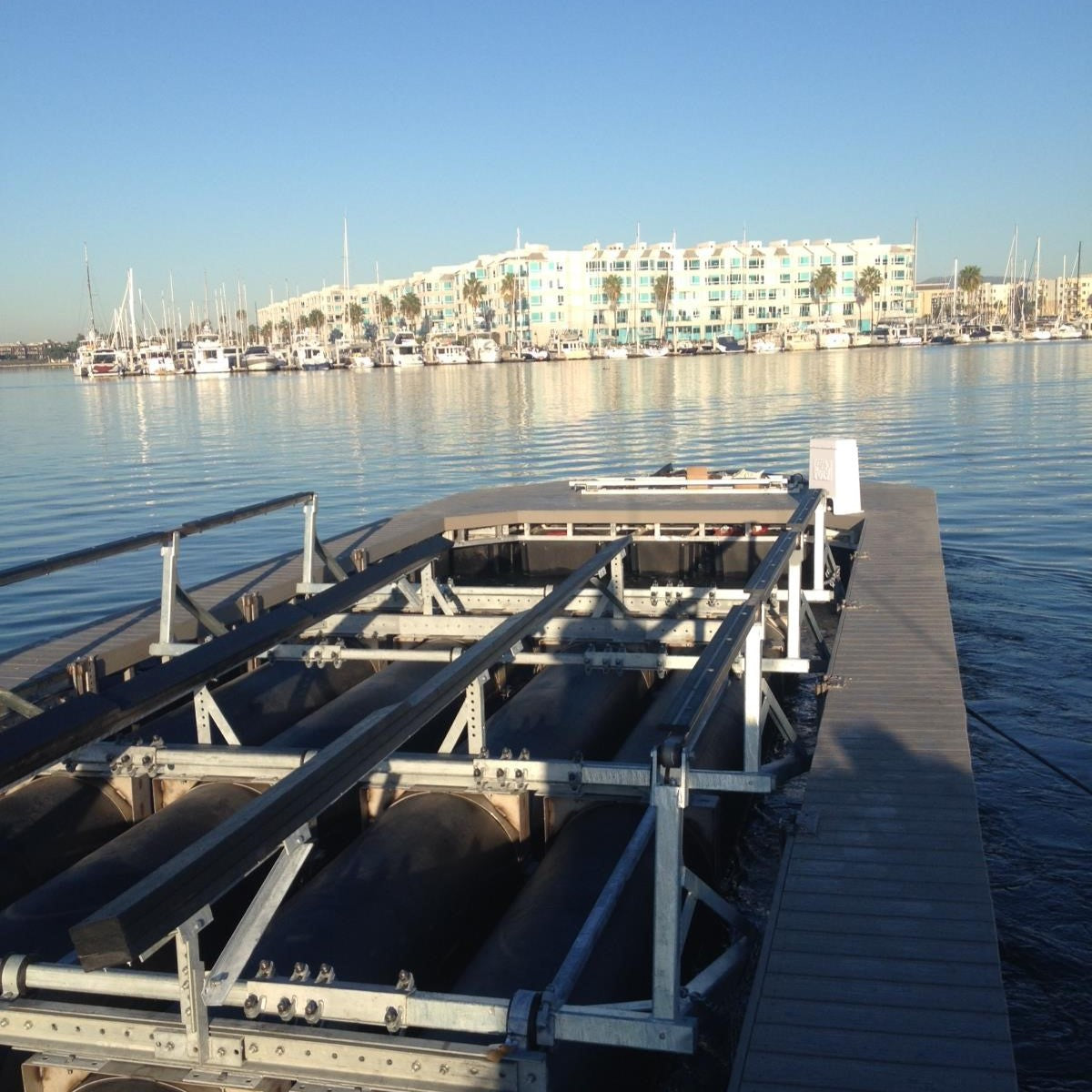
The lift unit is the main part of the cost. This includes the structure, lift system, tanks or flotation components, bunks or supports, hardware, and related components.
The cost of the lift itself depends heavily on capacity, design, materials, and the type of boat it needs to support.
Installation Labor
Installation labor can include preparing the dock area, positioning the lift, making adjustments, securing the system, testing operation, and ensuring the boat sits properly on the lift.
Professional installation matters because a boat lift needs to work safely and consistently. Even a high-quality lift can perform poorly if it is not installed and adjusted correctly.
Electrical and Controls
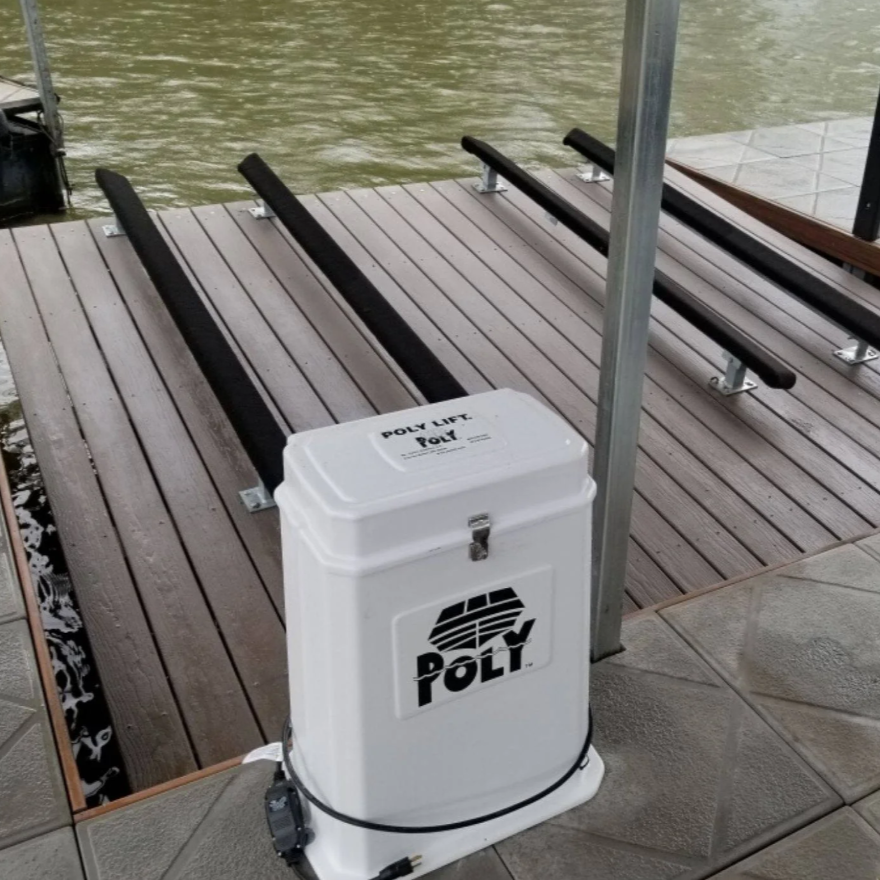
Some lifts require electrical work, controls, switches, remotes, or related components. The cost depends on the dock’s current power setup, how far power needs to run, and what features the owner wants.
Electrical needs should be discussed early so there are no surprises later in the project.
Delivery and Access
Delivery can also affect cost. A dock that is easy to access may be simpler to service than one with limited access, steep terrain, tight marina space, or special delivery requirements.
This is one more reason it is helpful to get a quote based on the exact site.
Accessories and Add-Ons
Accessories can make a lift safer, more convenient, and easier to use. These may include guide-ons, walkways, dock sections, remotes, covers, or custom access features.
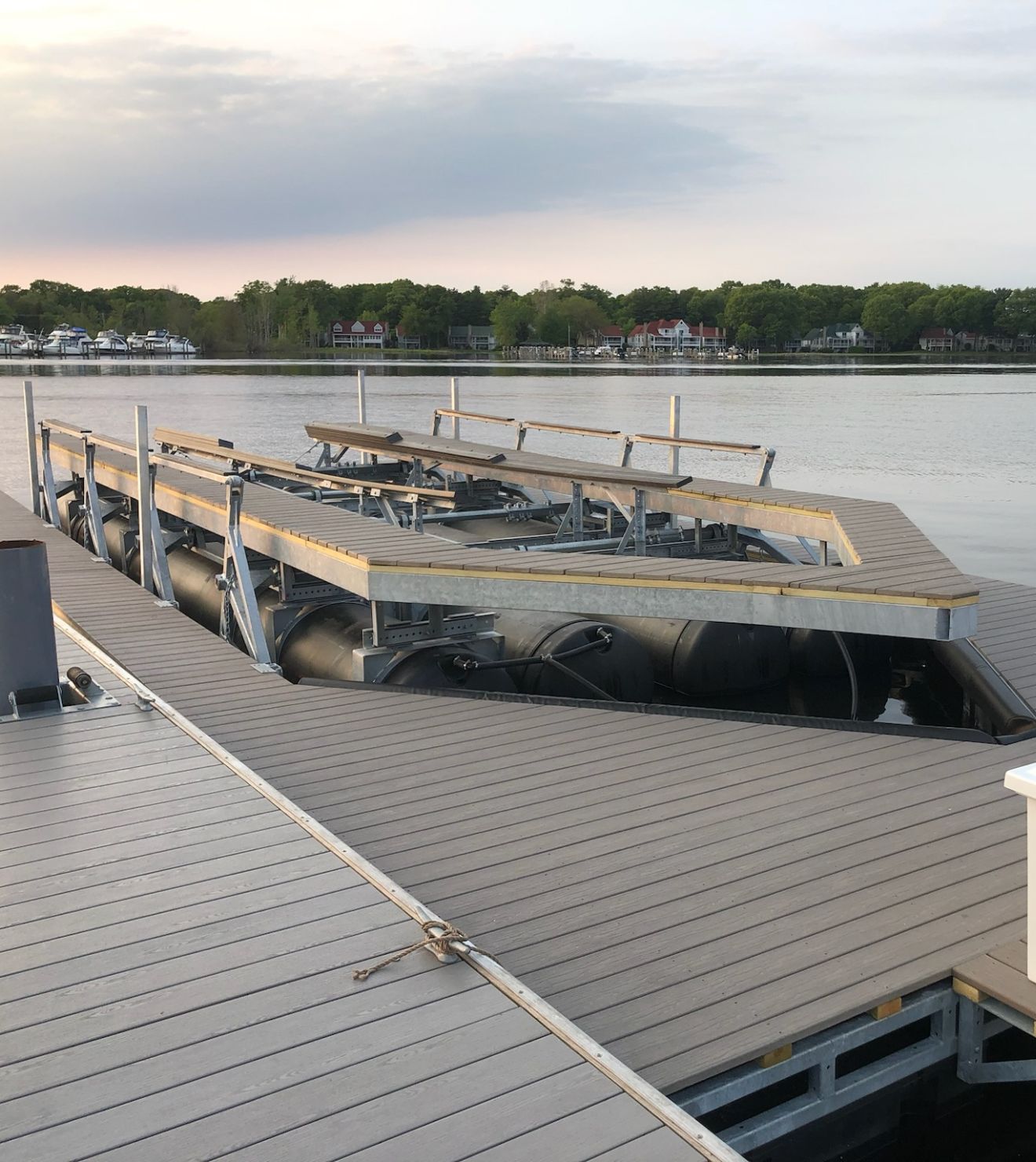
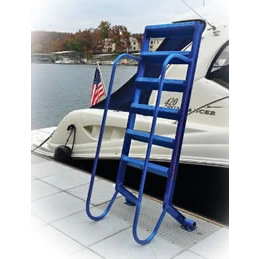
Poly Dock® wraparound walkways are a good example. Used with Poly Lift® and Roto Lift® boat lifts, they can provide a sturdy, safe walking surface around the boat. For many boat owners, that added convenience is worth considering during the initial lift purchase rather than trying to add it later.
Hidden Costs Boat Owners Should Consider
The sticker price is only part of the story. A boat lift can affect maintenance, convenience, safety, and the long-term condition of the boat.
Maintenance Over Time
A cheaper lift may cost less upfront, but if it needs frequent repairs, replacement parts, adjustments, or service calls, the long-term cost can climb.
A quality lift should be designed to work safely and efficiently for years. This is where build quality, warranty coverage, and proper fit become important.
Hull Maintenance and Bottom Painting
Keeping a boat in the water can lead to hull stains, blistering, marine growth, zebra mussels, corrosion, and other maintenance headaches.
A boat lift helps reduce those issues by keeping the boat out of the water when it is not in use. Poly Lift’s website emphasizes that keeping your boat on a lift can help minimize osmotic blistering, driveline corrosion, electrolysis damage, zebra mussels, and other marine growth. It can also eliminate the need for expensive bottom painting in many cases.
That does not just save money. It saves time.
Resale Value and Boat Protection
A boat is a major investment. A lift helps protect that investment by reducing constant water exposure and movement in the slip.
Over time, better protection can help preserve the boat’s appearance, performance, and resale value. This is especially important for newer boats, premium pontoons and tritoons, wake boats, and larger recreational boats.
Future Boat Upgrades
Many boat owners eventually upgrade. If you buy a lift that barely fits your current boat, you may have to replace it sooner than expected when you move into something larger.
It is worth thinking ahead. If you may upgrade to a heavier boat, larger tritoon, or wake boat in the next few years, talk about that during the quote process. The right lift today may save money later.
Is the Cheapest Boat Lift Always the Best Deal?
Not usually.
A cheap lift can be the right choice in some situations, but only if it is properly sized, properly installed, and appropriate for the boat and dock. The lowest upfront price does not always mean the lowest long-term cost.
Upfront Cost vs. Long-Term Value
A lift should be judged by how well it protects the boat, how long it lasts, how safely it operates, and how much maintenance it helps prevent.
If a higher-quality lift reduces repair costs, minimizes hull maintenance, protects resale value, and makes the boat easier to use, it may be the better financial decision over time.
Why Warranty Matters
Warranty coverage is part of value. It shows what a manufacturer is willing to stand behind.
Poly Lift tanks feature a lifetime warranty, which is one of the reasons many knowledgeable boat owners look closely at our lifts. When comparing quotes, do not just compare the final number. Compare what is included, what is protected, and what kind of support stands behind the product.
Why Fit Matters
A lift that fits correctly is easier to use and better for the boat.
The right lift should support the boat properly, work smoothly in the slip, and match the dock environment. Because Poly Lift® boat lifts can be customized for multiple hull types, our team can help owners avoid the common mistake of forcing the wrong lift into the wrong application.
What Makes a Boat Lift More Affordable Over Time?
Affordability is not only about buying the cheapest lift. It is about getting the best return from the money you spend.
Durable Components
Durable components reduce the likelihood of premature repairs or replacement. In a waterfront environment, this matters. A lift deals with water, weather, load cycles, and constant seasonal use.
Poly Lift® boat lifts are designed with long-term performance in mind, using patented designs and durable polyethylene tanks.
Less Boat Maintenance
A lift can help reduce the maintenance that comes from leaving a boat in the water. That includes hull cleaning, bottom painting, corrosion issues, marine growth, and cosmetic wear.
For owners who use their boat often, this is one of the biggest advantages. You spend less time dealing with maintenance and more time enjoying the water.
Easier Operation
A boat lift should make boating easier, not more frustrating. If the lift is easy to use, owners are more likely to use it every time. That means the boat stays protected instead of sitting in the water because the lift is inconvenient.
Ease of use should be part of the buying decision.
Safer Dock Access
Safe access matters, especially for families, guests, and anyone loading gear onto the boat. Walkways, stable dock surfaces, and thoughtful lift placement can make a big difference.
Poly Dock® wraparound walkways can provide a sturdy walking surface around the boat when paired with Poly Lift® or Roto Lift® products. This can improve comfort and safety around the slip.
How to Budget for a Boat Lift in 2026
When setting a budget, start with the practical details.
Start With the Boat
Gather the boat’s length, beam, dry weight, engine details, hull type, and estimated fully loaded weight. Include fuel, water, batteries, gear, and common accessories.
The more accurate this information is, the better the quote will be.
Evaluate the Dock and Slip
Look at slip width, water depth, dock structure, roof clearance, power access, wave action, and how the boat enters and exits the slip.
Photos and measurements can be very helpful when requesting a quote.
Decide What Features Matter
Think about whether you need a standard lift, front mount lift, PWC lift, Roto Lift®, Poly Dock® walkway, or custom solution. Also consider whether you want easier access, added safety features, or room for a future boat upgrade.
Get a Quote Instead of Guessing
Online price ranges can be useful for planning, but they are not a substitute for a real quote. A quote helps you avoid overbuying, underbuying, or choosing a lift that does not match the dock.
To get started, visit our request a quote page and share the details of your boat and dock.
Questions to Ask Before Buying a Boat Lift
Before choosing a lift, ask a few important questions.
What Is My Boat’s Fully Loaded Weight?
Do not rely only on dry weight. Make sure the lift capacity accounts for real-world use.
Is My Dock Ready for This Lift?
Some docks are ready for installation. Others may need adjustments, reinforcement, electrical work, or a more customized setup.
Do I Need a Standard Lift or a Custom Setup?
A standard lift may be perfect for many boats. A custom lift may be better for unusual hulls, challenging slips, heavier boats, or special access needs.
What Warranty Comes With the Lift?
Compare warranty coverage, not just the price. A strong warranty can be an important part of long-term value.
What Maintenance Will This Lift Require?
Ask what kind of maintenance the lift needs and how often it should be checked or serviced.
Can This Lift Handle My Next Boat Too?
If you plan to upgrade, talk about it now. Planning ahead can help avoid replacing the lift too soon.
Are Walkways or Dock Add-Ons Worth Including Now?
Accessories like wraparound walkways can improve safety and convenience. In many cases, it is easier to plan for those features during the initial project.
Why Poly Lift Boat Lifts Is a Strong Option for Boat Owners Comparing Cost
When comparing boat lift costs in 2026, it is natural to look at the numbers first. But it is just as important to look at experience, fit, quality, and long-term protection.
Poly Lift Boat Lifts has been a specialist in boat lifts since 1975. Our product lineup includes Poly Lift® boat lifts, Roto Lift® boat lifts, PWC lifts, drive-on PWC lifts, front mount lifts, standard lifts, Poly Dock® walkways, and custom lift solutions.
Our lifts are built for boat owners who want dependable protection and a system that fits their watercraft. With options for v-hull, step-hull, pontoon, tritoon, and catamaran hull types, we can help match the lift to the boat instead of treating every setup the same.
For many boat owners, that is where the real value is. A boat lift is not just about getting the boat out of the water. It is about protecting the boat, reducing maintenance, making the dock easier to use, and helping you enjoy more time on the water.
Final Answer: So, How Much Should You Spend on a Boat Lift in 2026?
In 2026, boat lift costs can range widely. Some smaller lifts may cost only a few thousand dollars, while larger, heavier, custom, or more complex lift projects can reach much higher.
The right budget depends on your boat, dock, water conditions, desired features, and long-term plans. The best boat lift is not always the cheapest one. It is the lift that safely supports your boat, fits your dock, protects your investment, and works reliably for years.
If you are comparing options, our advice is simple: think beyond the sticker price. Look at capacity, build quality, warranty, installation, maintenance savings, and the way you actually use your boat.
Poly Lift Boat Lifts can help you find the right setup for your watercraft, whether you need a standard lift, Roto Lift®, PWC lift, front mount lift, Poly Dock® walkway, or a custom solution.
Ready to price the right lift for your boat? Request a quote from Poly Lift Boat Lifts or call us at (573) 374-6545.